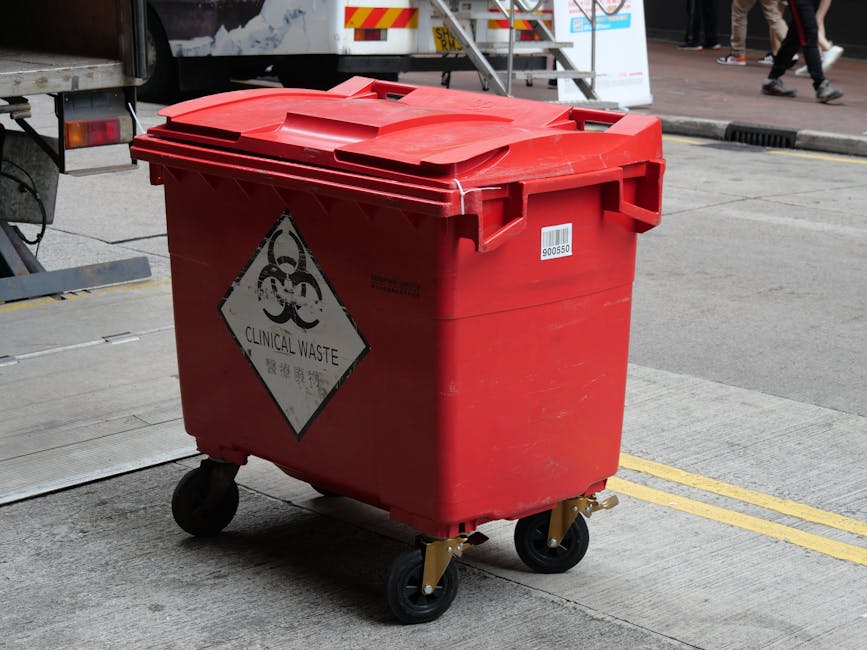
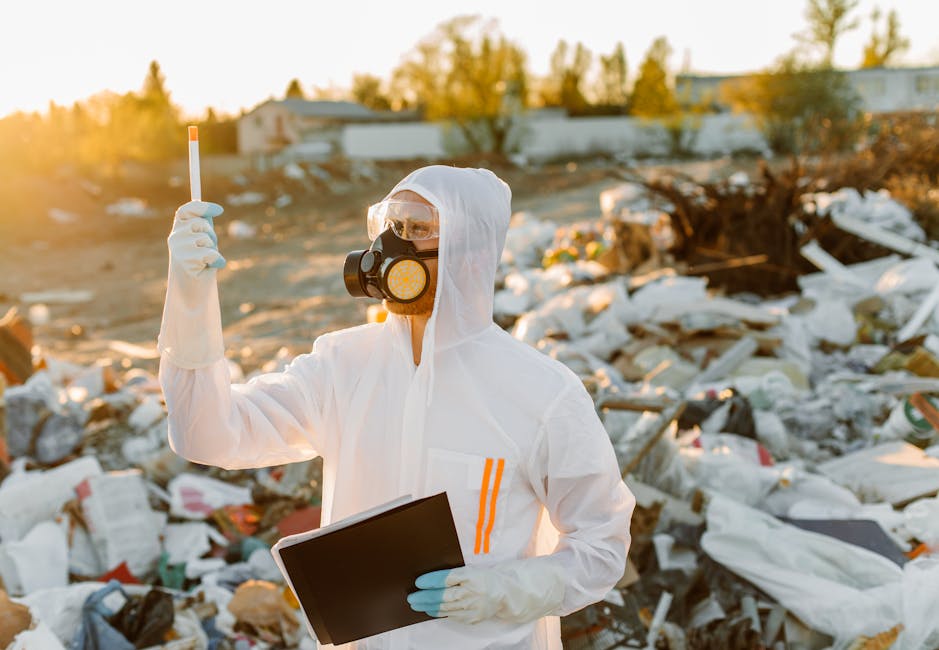
Hounslow Council Rules for Hazardous Waste Disposal and Cleaning
If you are dealing with paint tins, bleach, broken fluorescent tubes, old cleaning chemicals, batteries, or anything else that feels a bit more serious than normal household rubbish, the rules can get confusing fast. That is exactly where Hounslow Council rules for hazardous waste disposal and cleaning matter: they help you protect people, avoid contamination, and dispose of problem materials the right way without turning a simple clear-out into a headache.
In plain English, this guide explains what counts as hazardous waste, why it needs careful handling, how disposal usually works in a local council context, and what a sensible cleaning routine looks like before, during, and after removal. We will also cover common mistakes, compliance basics, and a practical checklist you can actually use. No fluff, no scare tactics. Just clear, grounded advice for homes, landlords, offices, and anyone else trying to do the right thing.
Why Hounslow Council rules for hazardous waste disposal and cleaning Matters
Hazardous waste is not just a recycling issue. It is a safety issue. In a typical home or workplace, people often think of waste as either "bin it" or "take it to the tip," but hazardous materials do not follow that simple logic. They can leak, react, sting, stain, catch fire, or release fumes if handled badly. That sounds dramatic, but it is also pretty ordinary in real life. A half-empty solvent bottle in the shed, a decorator's old paint, or a cleaning cupboard full of mixed chemicals can cause trouble quicker than people expect.
For Hounslow residents, the council's approach matters because local disposal rules are there to stop contamination in kerbside collections, protect operatives, and reduce environmental harm. The other side of the story is cleaning. Before anything is handed over, sold, or stored, the surrounding area often needs proper cleaning so residues do not spread, leak, or create a slip hazard. That is especially true after tenant moves, garage clear-outs, office refits, and end-of-project tidy-ups.
A small example: a landlord clearing a flat after a long tenancy may find old aerosols, a cracked bottle of drain cleaner, and a paint tin with a hardened lid. None of those should be treated like normal household rubbish. But the room itself may also need a careful wipe-down to remove dust, spills, and chemical residue before the next stage. It is the combined approach - disposal plus cleaning - that really keeps things under control.
There is also a practical reason this topic keeps coming up in search results. People are not only asking, "Where does this go?" They are also asking, "How do I prepare it safely?" and "What if I have already mixed it with other waste?" Those are fair questions. To be honest, they are the questions that matter most.
If you are planning a larger property clean-out, a one-off reset from one-off cleaning in Hounslow or a deeper refresh through deep cleaning Hounslow can help you remove the non-hazardous mess around the problem items safely and efficiently.
How Hounslow Council rules for hazardous waste disposal and cleaning Works
At a practical level, hazardous waste handling usually follows three broad stages: identify, isolate, and dispose. That sounds simple, but each step matters.
1. Identify what is hazardous
Start by checking whether the item is actually hazardous or just awkward. Common examples include household chemicals, solvents, pesticide containers, batteries, fluorescent tubes, oil, adhesives, certain paints, medicines, and anything with warning symbols that suggest toxicity, flammability, corrosiveness, or pressure risk. If you are unsure, treat it cautiously until you can confirm what it is. That habit alone prevents a lot of mistakes.
2. Keep it separate
Do not pour leftovers together. Do not decant random liquids into one bottle because it looks tidy. And do not shove suspect items into a general rubbish bag with food waste and cardboard. Separation reduces the chance of chemical reaction, leakage, and exposure during transport. In a cleaning setting, it also helps keep the work area safer for anyone who enters later.
3. Prepare it for disposal
This is where cleaning and disposal meet. Containers should normally remain closed if safe to do so, labels should be kept on where possible, and any outer surface contamination should be wiped carefully rather than aggressively scrubbed into the room. If there is a spill, use absorbent materials and avoid spreading it. A rushed mop-around can make things worse, especially with oils, paint, or chemical residues.
One small but useful rule of thumb: if cleaning the item itself feels risky, pause. Better to isolate it and seek the correct route than to "have a go" and end up with fumes, skin irritation, or an inky stain across the floor. Not ideal, that.
Typical local disposal pathways
Depending on the material, disposal may involve council collection systems, designated facilities, or specialist handling. For residents, the key point is to follow the local instructions for the exact item rather than guessing based on what "usually happens." For businesses and landlords, the duty of care is stronger still, because waste must be managed in a traceable, sensible way. If a cleaner, contractor, or facilities team is handling the job, make sure they understand what is being removed before the work starts.
Key Benefits and Practical Advantages
Doing hazardous waste disposal properly is not just about compliance. It has immediate, everyday benefits that are easy to miss until something goes wrong.
- Safer homes and workplaces: fewer spills, fumes, skin burns, and accidental contact.
- Cleaner surfaces: the right prep stops residue from spreading into flooring, fabrics, and vents.
- Less stress: you know what can be kept, what must be separated, and what needs specialist attention.
- Lower risk of fines or rejected waste: mixed waste is a common source of problems.
- Better results after cleaning: once hazardous items are cleared, the space can actually be cleaned properly.
There is also a big hidden benefit: clarity. A tidy process helps everyone involved. If you are a tenant, you can leave the property in a better state. If you are a landlord, you reduce delays before re-letting. If you are managing an office, you keep staff away from items that should never have been sitting in a cupboard in the first place.
For property owners and movers, this often links neatly with end of tenancy cleaning Hounslow, where leftover cleaning products, old batteries, and broken fixtures sometimes turn up at the exact moment you are trying to hand a place back. That is the moment when a calm, structured approach pays off.
Who This Is For and When It Makes Sense
This topic is not just for large businesses or specialist contractors. It is relevant to ordinary households too. In fact, most hazardous waste mistakes happen in kitchens, bathrooms, garages, sheds, and storage cupboards. Tiny places. Everyday places. The sort of places where you find a bottle you forgot about three years ago and think, "Well, that is not moving on its own."
Here is who should pay close attention:
- Homeowners clearing old paint, cleaning products, batteries, bulbs, or garden chemicals.
- Tenants who need to leave a property safe and tidy before check-out.
- Landlords and agents managing move-outs, void periods, and post-tenancy clean-ups.
- Office managers dealing with old toner, batteries, broken equipment, or maintenance chemicals.
- Facilities teams responsible for storage rooms, wash areas, or small repair materials.
- Anyone doing a deep clean where cupboards, sheds, or hidden corners are finally being sorted.
It makes sense whenever you have items that cannot simply go into the weekly bins or when the cleaning itself could expose residues. That includes spring clear-outs, house moves, refurbishment jobs, and post-incident cleaning after leaks or breakages.
If you are comparing services, the broader support offered on the services overview page can help you see where a standard clean stops and a more intensive clean begins. Different jobs need different levels of attention, and that is perfectly normal.
Step-by-Step Guidance
Here is a practical workflow you can follow. It is not fancy, but it works.
- Survey the area. Look through cupboards, shelves, under sinks, garages, utility rooms, and storage boxes. Check for labels, warning symbols, leaks, or damaged containers.
- Sort by type. Keep liquids separate from solids, aerosols separate from batteries, and unknown items separate from everything else. If in doubt, isolate it.
- Do not mix chemicals. This is where people sometimes get overconfident. Mixing cleaners can create dangerous fumes. That shortcut is not worth it.
- Seal and secure. Put items in a stable container or tray so they cannot tip during handling. Use extra caution with broken glass, sharp packaging, and corroded lids.
- Clean the surrounding surface. Wipe spills, dust, and residue with appropriate protection. Use disposable cloths where needed and avoid spreading contamination.
- Ventilate the space. Open windows if the product or residue could give off fumes. Fresh air helps more than people think, especially in small bathrooms or utility spaces.
- Store temporarily in a safe place. If the item is awaiting disposal, keep it away from heat, children, pets, and food areas.
- Use the correct disposal route. Follow the relevant local instructions for the specific material. If specialist removal is required, do not improvise.
- Confirm the area is clean. Once the hazardous items are out, do a final check for leaks, stains, odours, or broken packaging.
For larger properties, a staged approach works best. Remove the obvious hazards first, then clean the surrounding space, then do the general dusting and finishing work. If you start with the decorative polish and ignore the chemical cupboard, you will end up back at square one. Happens all the time.
Expert Tips for Better Results
Over the years, the jobs that go smoothly usually have one thing in common: someone took ten minutes to think before they started. That small pause saves a lot of time later.
Label before you move. If a container is old or the writing has faded, add a temporary note so everyone knows what it is and why it was separated. Even a simple marker note can prevent confusion.
Use a "do not mix" zone. Keep a tray, box, or corner of the room for suspect items. This sounds basic, but it stops accidental blending with ordinary rubbish.
Deal with contamination early. If a bottle has leaked on a shelf, clean that shelf before you move other objects back into place. Waiting only spreads the residue around.
Protect fabrics and porous surfaces. Carpet, upholstery, and untreated wood soak things up fast. If you spill chemical residue on them, you may need more than a simple wipe. In those situations, a specialist clean is often the sensible call, especially for carpet cleaning in Hounslow or upholstery cleaning Hounslow after a spill has left a mark or smell.
Keep a calm pace. Rushing creates splash risk and missed items. Hazardous waste is one of those jobs where slow and steady really is better. Bit boring, maybe. Definitely safer.
Wear sensible protection. Gloves are the minimum in many situations, and eye protection can be smart if there is any chance of splash or dust.
Separate the clean-up from the disposal day. If you can, do the initial sort first and the main disposal later. That gives you time to check labels, ask questions, and avoid a last-minute scramble.
Common Mistakes to Avoid
Most problems come from the same handful of errors. Knowing them makes the whole process easier.
- Treating everything as general waste. This is the big one. It can lead to contamination and unsafe handling.
- Mixing liquids together. This can create reactions, heat, or fumes. Never a good idea.
- Ignoring labels. If something still has a warning symbol or product name, do not assume it is harmless because it is "mostly empty."
- Using the wrong cleaning method. A harsh scrub can smear residue deeper into a surface.
- Forgetting hidden areas. Under sinks, behind boilers, and in garden sheds are classic problem spots.
- Leaving items in heat or sunlight. Some chemicals and aerosols are not happy sitting near warmth.
- Not checking for leaks after removal. A sealed bag is not enough if the shelf underneath is still contaminated.
Another subtle mistake is assuming the room is safe once the items are gone. Not always. If there was a spill, vapour, or powder, the surface and air may still need attention. You want the whole area made right, not just the bottle removed.
Tools, Resources and Recommendations
You do not need a warehouse of equipment to handle this properly. A sensible small kit is usually enough for domestic or light commercial situations.
Helpful tools
- Disposable gloves
- Eye protection
- Sealable containers or sturdy trays
- Absorbent cloths or disposable wipes
- Bin liners for non-hazardous contaminated waste
- A torch for checking dark cupboards and under-sink areas
- Labels or masking tape for temporary identification
Useful planning habits
- Set aside a separate place for suspect items.
- Keep children and pets out of the area during sorting.
- Open windows when odours or fumes are present.
- Work from the least dirty area toward the most contaminated one.
- Take photos of unclear items if you need to confirm what they are later.
If the job is connected to a bigger clean, it may help to use a broader service page such as house cleaning Hounslow or domestic cleaning Hounslow for the general cleaning side, while separating any hazardous items for the right disposal route. It keeps the work tidy and avoids muddling the safe stuff with the risky stuff.
For timing and budgeting, some readers also like to look at pricing and quotes before booking any larger clean. That is sensible, especially if the job includes extra preparation or a very cluttered area.
Law, Compliance, Standards, or Best Practice
Hazardous waste handling sits in a wider framework of UK waste rules, duty of care expectations, and basic health and safety practice. Rather than quoting hard thresholds or pretending every item is treated the same, the safest way to think about it is this: if a material could harm people or the environment, it needs careful identification, separation, and disposal through the correct route.
For households, that usually means following local council guidance for the item in question and not putting hazardous materials into normal household bins. For businesses, the expectations are stricter. Records, storage, segregation, and contractor selection matter much more because there is a formal duty to manage waste responsibly. In practice, that means you should know what is being thrown away, where it is going, and who is handling it.
Best practice also applies to cleaning. Chemical residues should be removed without spreading them, surfaces should be ventilated where needed, and the person cleaning should use suitable protection. If a spill has affected carpets, furniture, or large floor areas, do not assume a standard wipe will solve it. Sometimes it will. Sometimes it will not. That judgement call matters.
If you want extra reassurance on how a service provider works, it is worth reviewing pages such as the health and safety policy and insurance and safety information. Those do not replace proper disposal rules, but they do show how a cleaner approaches risk, which is useful when your property includes awkward or sensitive areas.
Options, Methods, or Comparison Table
There is more than one way to deal with hazardous waste and the surrounding clean-up. The right option depends on volume, risk, and how contaminated the area is.
| Option | Best for | Pros | Watch-outs |
|---|---|---|---|
| Self-sorting at home | Small amounts of clearly labelled items | Low cost, quick for simple cases | Easy to misclassify items or miss contamination |
| Controlled household disposal route | Items accepted under local disposal guidance | Usually the most straightforward legitimate route | Needs accurate sorting and preparation |
| Specialist handling | Unknown, damaged, reactive, or larger-volume waste | Safer for complex materials | Can cost more and may need scheduling |
| General cleaning only | Rooms with no hazardous residue, just ordinary dirt | Efficient for standard domestic or office cleaning | Not suitable if contamination is present |
To make the decision easier, ask yourself two questions. First, is the item clearly identifiable and stable? Second, has it actually contaminated the space around it? If the answer to either one is no, err on the cautious side. No one wins points for bravery with a leaking bottle.
Case Study or Real-World Example
Here is a realistic example from the kind of work many people quietly deal with after a tenancy or renovation. A small flat in Hounslow has just been vacated. In the kitchen cupboard, there are two half-used cleaning bottles, an old aerosol can, a cracked box of light bulbs, and a tin of paint pushed to the back. The cupboard shelf has a sticky residue and a faint chemical smell. Nothing dramatic, but enough to matter.
The sensible approach is to first remove the area from use, then sort the items by type, keeping the aerosol and paint separate from the bottles. The shelf is then wiped with appropriate care, the residue is checked, and the surrounding cupboard space is cleaned so there is no lingering spill or odour. Only after that would the rest of the room be cleaned normally.
What makes this example useful is not the items themselves; it is the order of operations. The mistake people often make is cleaning the whole kitchen first and dealing with the cupboard later. That usually means they are moving dust, wiping around the hazard, and missing the tiny spill that later becomes a smell. If you have ever opened a cupboard and caught that sharp "old chemical" scent first thing in the morning, you will know exactly what I mean.
After the hazard is removed and the surfaces are safe, the rest of the property can be finished with a proper domestic clean or, where needed, a more detailed service such as spring cleaning Hounslow. In real life, the safest jobs are usually the boring ones. Identify, isolate, clean, then finish. Simple, but not always easy when you are in a rush.
Practical Checklist
Use this checklist before you dispose of hazardous items or begin cleaning around them.
- Have I identified every suspicious item?
- Are any containers damaged, leaking, swollen, or rusted?
- Have I kept chemicals, aerosols, batteries, and bulbs separate?
- Have I avoided mixing unknown liquids?
- Do I know which items need special handling?
- Have I opened windows or improved ventilation where needed?
- Am I wearing sensible protection?
- Have I protected nearby carpets, furniture, and flooring?
- Have I cleaned any spill or residue before moving other items back?
- Have I used the correct disposal route for each item type?
- Is the area dry, odour-free, and safe to re-enter?
If you can tick all of those off, you are in a much better place. If not, slow down. That is not failure; it is good judgement.
Conclusion
Hounslow Council rules for hazardous waste disposal and cleaning are really about common sense backed by safe process. Identify the problem items, keep them separate, clean the surrounding space properly, and use the correct disposal route rather than trying to make everything fit into one quick fix. The result is a safer property, less stress, and a cleaner handover whether you are at home, in a rental, or managing an office.
The best takeaway is this: hazardous waste becomes far less intimidating once you treat it as a sorting and cleaning job, not just a bin job. That simple shift changes everything.
Get a free quote today and see how much you can save.
Frequently Asked Questions
What counts as hazardous waste in a home?
Typical household hazardous waste includes cleaning chemicals, paint, solvents, aerosols, batteries, fluorescent tubes, pesticides, and some old medicines. If an item has warning symbols or could leak, burn, corrode, or give off fumes, treat it carefully.
Can I put hazardous waste in my normal bin?
No, not if it is genuinely hazardous. Mixing it into general waste risks contamination and unsafe handling. The safer move is to keep it separate and follow the correct disposal route for that item.
Do I need to clean an area before disposing of hazardous waste?
Usually, yes, if the item has leaked, spilled, or left residue. The surrounding surface should be made safe before you store or move other belongings back into the area.
What should I do if two chemicals have been mixed by accident?
Do not add anything else. Stop, ventilate the area if it is safe, and avoid further contact. If there is smoke, heat, strong fumes, or a reaction, treat it as a safety issue first and disposal issue second.
Are old paint tins always hazardous?
Not always, but many old paint tins are still treated cautiously because of spills, solvent content, and residue. If the tin is rusty, leaking, or unlabeled, it deserves extra care.
How do I handle broken fluorescent bulbs or tubes?
Handle them carefully, avoid direct contact, and keep the fragments contained. Because they can be fragile and messy, the cleaning around the break matters just as much as disposal.
Can a normal cleaning service deal with hazardous waste?
Standard cleaning usually covers non-hazardous dirt and general household mess. If there is chemical residue, broken hazardous material, or a spill, it may need special handling or a more cautious approach.
What is the safest first step when I find unknown chemicals?
Leave them where they are if it is safe, do not open or mix them, and keep them away from children, pets, and heat. Then identify them before moving on.
Does a landlord need to worry about hazardous waste after a tenancy?
Yes, especially if the property contains leftover cleaning products, batteries, paint, or damaged items. It is worth checking cupboards, lofts, and sheds before arranging the final clean.
How do I know whether a space needs deep cleaning after hazardous waste removal?
If there was any spill, leak, odour, stain, powder, or porous surface contact, a deeper clean is often sensible. If the item was simply removed cleanly and the area stayed uncontaminated, a lighter clean may be enough.
What if the item looks empty but still smells strong?
Treat it cautiously. Smell can mean residue is still present, even if the container looks empty. Do not assume it is harmless just because there is not much liquid left.
Where can I get help with a bigger clean after sorting hazardous items?
If the property needs a broader reset after the problem materials are removed, it can help to look at the wider cleaning options and request tailored support. That is often the simplest way to get the space back to normal without missing any hidden residue.
And honestly, that is the goal: a safe room, a clear head, and no nasty surprises waiting in the cupboard tomorrow morning.