Eco friendly cleaning in Hounslow Heath donation tips: a practical guide to greener clear-outs
If you are trying to keep a home fresh without filling the bin on every clean, you are not alone. Eco friendly cleaning in Hounslow Heath donation tips is really about two things at once: reducing waste during cleaning and making sure useful items go to people who can actually use them. That can mean less clutter, fewer harsh products in the cupboard, and a cleaner routine that feels a bit more sensible, frankly.
In Hounslow Heath, where everyday life can be busy and space can be tight, a greener clean often starts with a small reset: sort, wipe, donate, recycle, then clean what is left. This guide walks through how to do that properly, where donation decisions fit into the process, and how to avoid the usual mistakes that make a "declutter" turn into a half-finished mess by tea-time.
To help you move quickly, here is the structure of the article:
- Why eco friendly cleaning and donation planning matter
- How the process works in practice
- Key benefits and practical advantages
- Who this is for and when it makes sense
- Step-by-step guidance
- Expert tips for better results
- Common mistakes to avoid
- Tools, resources and recommendations
- Law, compliance, standards and best practice
- Options, methods and comparison table
- Case study or real-world example
- Practical checklist
- Conclusion
- Frequently asked questions
Why Eco friendly cleaning in Hounslow Heath donation tips Matters
Eco friendly cleaning sounds simple, but in practice it sits right at the intersection of waste reduction, household organisation, and good judgement. If you are cleaning out a room, flat, or office area near Hounslow Heath, the temptation is to throw everything into a sack and be done with it. Easy? Yes. Smart? Not always.
The donation part matters because many items are still perfectly usable long after they stop being "new" to you. A clean lamp, a sturdy dining chair, unopened toiletries, spare bedding, books, or kitchenware can often be given a second life. That is better for the environment and, on a human level, it feels better too. Nobody likes the guilt of binning something useful. It nags at you later.
Eco friendly cleaning also matters because regular cleaning habits can create a surprising amount of waste: single-use wipes, overused sprays, disposable cloths, and packaging from quick-fix products. By shifting to reusable cloths, refillable bottles, and more thoughtful sorting, you reduce what leaves the house while also keeping the place genuinely clean. That is the bit people often miss.
There is also a practical side. A cleaner, more organised home makes donation decisions easier. You can see what you own. You can separate damaged items from reusable ones. And if you are dealing with a bigger clear-out before a move, sale, tenancy change, or seasonal refresh, that structure saves time. If you have ever stood in a room at 8pm surrounded by "keep, donate, maybe, not sure," you will know exactly what I mean.
For related local reading, our guides on life in Hounslow from a resident's perspective and what makes Hounslow an appealing place to live give useful context for everyday home care in the area.
How Eco friendly cleaning in Hounslow Heath donation tips Works
The process works best when you treat it as one system, not three separate jobs. First, you identify what can be reused or donated. Second, you clean what stays in the home using low-waste methods. Third, you dispose of only the true leftovers, ideally through appropriate local channels. Simple on paper, a little fiddly in real life.
1) Sort items by condition
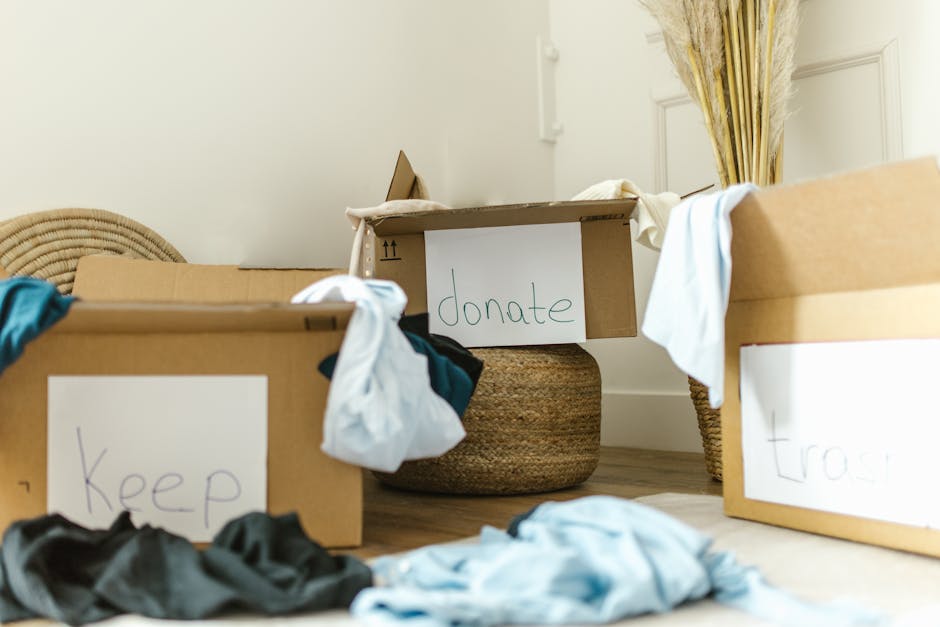
Start with three broad groups: donate, keep, and dispose responsibly. If something is still functional, safe, and cleanable, it may belong in the donate pile. If it is broken beyond practical repair or contaminated, it probably does not.
2) Clean gently before donating
Donation items do not need to be pristine, but they should be presentable. A table with dust and fingerprints is one thing; a sofa with pet odours, stains, or structural damage is another. For fabric items, a more careful treatment may be needed, and that is where specialist help can make sense. For example, if a couch or chair needs deeper attention before donation, upholstery cleaning in Hounslow can help restore a better standard of finish.
3) Use eco conscious cleaning products
In everyday use, you do not need a cupboard full of harsh chemicals. Warm water, a mild detergent, microfibre cloths, bicarbonate of soda for certain jobs, and a little white vinegar where suitable can handle a lot. The trick is knowing where each product is appropriate. For example, vinegar is not the answer to everything, despite what the internet would like you to believe.
4) Plan donation handover early
Donation works best when it is built into the cleaning session, not added at the end as an afterthought. Set aside a box or bag per category. Label them. Then keep donation-ready items near the door or in a clearly marked corner. That way, the good stuff leaves the house rather than becoming another pile in the spare room.
5) Finish with a low-waste clean
Once items have been sorted out, clean the emptied surfaces. This is where the room transformation becomes obvious. Fewer objects, fewer dusty corners, fewer forgotten crumbs. If you are preparing for a one-off tidy-up or a more complete reset, a structured service like one-off cleaning in Hounslow can be a practical option.
Key Benefits and Practical Advantages
The main benefit is obvious: less waste. But there are several others that are worth spelling out because they affect daily life.
- Less landfill waste: reusable items stay in circulation instead of being thrown away too early.
- Cleaner rooms, faster: once clutter is reduced, cleaning takes less time and feels less overwhelming.
- Lower product use: eco friendly routines often rely on fewer sprays and fewer disposable items.
- Better donation quality: items cleaned properly are more likely to be accepted and actually reused.
- More organised storage: you end up keeping only the things that earn their place.
- Less last-minute stress: especially before a move, tenancy end, or family visit.
There is also a subtle benefit people do not always mention: cleaner habits change how you buy things in the first place. Once you have had to sort, donate, and clean carefully, you tend to think twice before bringing home another duplicate item. Good luck to the kitchen drawer, obviously, but it is true.
If cost is part of your thinking, it can help to compare your own effort with professional support. The article how much house cleaning costs in Hounslow is useful background when deciding whether to handle a project yourself or bring in help for a larger job.
Who This Is For and When It Makes Sense
This approach suits a wider group than you might expect. It is not just for sustainability enthusiasts with neatly labelled jars and a compostable sponge collection. It is for ordinary households that want a cleaner home and less waste.
- Busy families trying to keep toys, clothing, and household clutter under control.
- Renters preparing a flat for inspection or handover.
- Homeowners doing a seasonal reset before spring, guests, or a sale.
- Landlords who want properties to remain presentable between tenancies.
- Small offices looking to clear unused supplies and tidy shared spaces.
- Anyone downsizing and needing a sane, structured way to decide what stays.
It makes particular sense when you have a lot of duplicate items, a house move pending, a room that has become a "temporary storage zone," or a wardrobe that contains things you have not worn since two winters ago. We have all got one, or at least a version of one.
For end-of-tenancy situations, it is especially helpful to pair donation planning with a more thorough exit clean. The pages on end of tenancy cleaning in Hounslow and the practical advice in the landlord checklist for Hounslow end-of-tenancy cleaning are a sensible next stop.
Step-by-Step Guidance
Here is the most useful part: a simple, repeatable method that keeps the job moving.
- Set a clear goal. Decide whether you are cleaning one room, preparing donations, or doing a full home refresh. A vague "tidy the house" plan tends to wobble after 20 minutes.
- Gather cleaning basics. Use reusable cloths, a bucket, a mop, a gentle all-purpose cleaner, glass cleaner if needed, gloves, and bags or boxes for donations.
- Open windows where possible. Fresh air helps with odours and reduces that heavy, stuffy feeling that can hang around after a clean. Even ten minutes helps.
- Sort first, clean second. Move through each room and separate donation items before scrubbing surfaces. It saves time and prevents you from cleaning things you may not keep.
- Inspect donation items carefully. Check for stains, missing parts, broken zips, loose legs, or strong smells. If an item looks embarrassing to donate, it probably needs more work or should be recycled/disposed of properly.
- Clean donation items appropriately. Wipe hard surfaces, vacuum soft furnishings, launder fabrics if possible, and allow everything to dry fully before packing.
- Pack donations neatly. Use strong bags or boxes and keep categories separate: clothing, books, household goods, textiles, and small furniture items.
- Clean the newly emptied space. Dust shelves, vacuum corners, clean skirting boards, and mop floors where suitable.
- Review what remains. Ask yourself if any remaining items could also be donated later, or if they belong in the "keep but store properly" category.
- Schedule the handover. Donations are most useful when they leave the house quickly. Otherwise the hallway becomes a temporary depot. Not ideal, to be fair.
A good rule of thumb: if you would not be happy receiving the item yourself, improve it, recycle it, or skip the donation idea altogether.
Expert Tips for Better Results
After enough home cleans, a few patterns become obvious. The people who get the best results usually do a few small things consistently rather than trying one heroic "all-day clean" and collapsing by late afternoon.
Use the 90-second decision test
If you are unsure whether to keep, donate, or bin something, give yourself 90 seconds. If you still cannot make a reasonable decision after that, move it into a temporary review box and come back later. Do not let one old charger stall the whole room.
Match the cleaner to the surface
A single spray for every surface sounds convenient, but it is not always ideal. Wood, glass, stone, fabric, and metal each have different needs. A gentle cleaner often performs better than a strong one simply because it does less damage over time.
Keep a donation box in the house all year
This is a small habit with outsized results. If you keep one box for usable items you no longer want, you prevent clutter from building up again. Every few weeks, it is a quick top-up rather than a mountain.
Clean before the item gets dusty again
There is a narrow window where the job is easy. If you wait too long, clean items gather dust and the process becomes annoying. Honestly, that is where many good intentions go to die.
Use specialist cleaning for higher-value items
For carpets, sofas, mattresses, and upholstered chairs, a more careful clean can improve both hygiene and donation readiness. If your project involves soft furnishings, it may be worth looking at carpet cleaning in Hounslow and upholstery cleaning in Hounslow as part of the same clear-out plan.
Do not "clean around" the clutter
That is a classic mistake. Wiping the top of a shelf while the shelf is still full does not solve much. Clear, sort, then clean. It is boring advice, but it works.
Common Mistakes to Avoid
A few errors come up again and again. None are dramatic, but they waste time and sometimes lead to avoidable mess.
- Donating damaged items. Slight wear is fine; broken, unsafe, or heavily stained items are another matter.
- Mixing donation and rubbish together. Once bags are mixed, sorting becomes less likely and everything slows down.
- Using too much product. More cleaner does not mean a better result, just more residue.
- Leaving items damp. Moisture trapped in bags or boxes can cause odours and mould.
- Forgetting labels. A pile of unmarked boxes becomes a future problem, not a solution.
- Starting with the hardest room. If motivation is shaky, begin with the easiest space and build momentum.
- Holding onto "maybe" items forever. This one is sneaky. The maybe pile grows legs.
Another mistake is ignoring the line between reuse and waste. Some items are better recycled or disposed of, particularly if they are contaminated, structurally damaged, or not safe for someone else to use. For guidance on handling more problematic waste carefully, the article Hounslow council rules for hazardous waste disposal and cleaning is a useful read.
Tools, Resources and Recommendations
You do not need an expensive kit. In fact, a simpler setup usually works better.
| Item | Why it helps | Eco-friendly note |
|---|---|---|
| Microfibre cloths | Reusable, effective on dust and polish | Reduce single-use wipes |
| Refillable spray bottle | Lets you control product amount | Cut down packaging waste |
| Vacuum with attachments | Useful for shelves, skirting, upholstery edges | Helps clean items before donation |
| Strong reusable boxes | Better than flimsy bags for books or kitchenware | Can be used again |
| Labels or marker pen | Keeps donation categories clear | Prevents sorting mistakes |
| Gentle all-purpose cleaner | Handles most routine cleaning | Avoids over-buying specialist products |
For households wanting a deeper reset, it can make sense to combine ordinary sorting with targeted cleaning jobs. A quick mattress refresh, for example, can improve bedroom hygiene before you donate spare bedding or rearrange a room. The guide on quick mattress cleaning for Hounslow homes covers the kind of practical refresh that fits neatly into this kind of project.
If you are dealing with carpets after a long period of use, or after moving furniture around, it is worth knowing that some services price in different ways and there can be extras if stain removal or specialist treatment is needed. See hidden fees to watch for with Hounslow carpet cleaning before booking anything.
Law, Compliance, Standards, or Best Practice
When cleaning and donating overlap, the main compliance issue is not usually dramatic legislation; it is sensible handling. In the UK, households are expected to separate hazardous or unsafe waste from ordinary reusable goods, and cleaning products should be stored and used according to their instructions. That sounds obvious, but it matters.
For most home situations, best practice means:
- not donating items that may pose a health or safety risk
- keeping cleaning chemicals out of donation boxes
- disposing of broken glass, sharp items, and contaminated materials carefully
- following local guidance where a waste stream needs special handling
- using products as directed, especially around fabric, wood, and stone
For landlords, tenants, and anyone preparing a property for handover, it is also sensible to work to the expectations set out in tenancy agreements and local property standards. A clean home is not just about appearance; it can affect disputes, inspections, and general peace of mind. The Bath Road end-of-tenancy cleaning guide and the landlord checklist are both useful context if you are in that situation.
If you are ever in doubt, use the safer option. Keep it out of the donation pile until it has been checked, cleaned, or repaired properly. Best practice is boring, but boring is often what keeps a job clean and lawful.
Options, Methods, or Comparison Table
There are a few ways to approach an eco friendly clean with donation planning. The right one depends on the size of the job and how much time you have.
| Method | Best for | Pros | Limits |
|---|---|---|---|
| Room-by-room sorting | Weekly or monthly tidy-ups | Easy to manage, low stress | Can take longer on big clear-outs |
| Category-based sorting | Wardrobes, kitchens, mixed storage | Fast decision-making | Can feel messy if space is tight |
| Deep clean after sorting | Spring cleans and moves | Best visible result | More effort upfront |
| Professional help plus donation prep | Busy households, rented homes, larger properties | Efficient, thorough, less physical strain | Costs more than doing it yourself |
In practice, many people use a mix. A kitchen might be sorted by category, while a bedroom is tackled room by room. That is normal. The key is not to keep changing method halfway through because you suddenly remembered the airing cupboard.
If your situation involves a larger home clean rather than just a donation sort, the broader service pages for spring cleaning in Hounslow, deep cleaning in Hounslow, and house cleaning in Hounslow may help you decide what level of support fits the job.
Case Study or Real-World Example
Here is a realistic example based on the sort of situation many local households face.
A family in Hounslow Heath had a spare room that had slowly turned into a holding area for old lamps, children's clothes, duplicate kitchen items, and a couple of chairs that had been "temporarily" moved in there during a busy week. Nothing was broken badly, but the room had reached that point where the door could open only so far before the cupboard started making decisions for everyone.
They began with the donation decision first. The usable clothes were sorted by size and season. The lamps were dusted and tested. The chairs were wiped down and checked for wobble. The kitchen items that were still in good condition were packed in boxes, while cracked or chipped pieces were removed from the donation pile straight away. After that, the floor was cleared, vacuumed, and mopped. The room looked larger almost immediately. Not magic. Just less stuff.
The useful part was that they did not try to clean everything in one go. They did not scrub the whole house before sorting. They sorted first, then cleaned the vacated surfaces, then packed the donations neatly. The result was a cleaner home, less waste, and a donation drop-off that felt manageable rather than dramatic.
That is usually how these projects succeed: one calm decision at a time.
Practical Checklist
Use this checklist before, during, and after your clean.
- Decide which room or area to start with.
- Gather reusable cloths, a mild cleaner, a vacuum, and boxes or bags.
- Open windows for fresh air where suitable.
- Sort items into keep, donate, recycle, and dispose categories.
- Check donation items for damage, smells, stains, or missing parts.
- Clean donation items gently and let them dry fully.
- Label boxes clearly.
- Remove donation items from the home quickly.
- Clean the empty surfaces and floors.
- Review any leftover clutter and decide whether another round is needed.
- Store eco friendly cleaning supplies neatly for next time.
- Dispose of anything unsafe or hazardous according to local guidance.
Expert summary: the easiest way to make eco friendly cleaning in Hounslow Heath donation tips work is to treat donation as part of cleaning, not a separate chore. Sort early, clean gently, remove items fast, and keep only what is genuinely useful.
For anyone wanting a more structured service route, the services overview gives a broader picture of the cleaning options available, and you can also review pricing and quotes before deciding how much support you need.
Conclusion
Eco friendly cleaning in Hounslow Heath donation tips is really about making your home lighter, cleaner, and less wasteful without turning every clear-out into a stressful project. Once you build donation into the cleaning process, you stop shuffling the same items from one room to another and start making real progress.
The best results usually come from modest habits: use reusable tools, clean with care, donate only what is genuinely usable, and avoid the "maybe" pile taking over your life. Nothing fancy. Just a solid, practical system that respects your space and reduces waste. And honestly, that feels good at the end of the day, especially when the room finally looks calm again.
If you would like help turning a bigger project into something manageable, explore the available local cleaning options or get in touch through the site when you are ready.
Get a free quote today and see how much you can save.
Frequently Asked Questions
What does eco friendly cleaning in Hounslow Heath donation tips actually mean?
It means cleaning in a way that reduces waste while also sorting usable items for donation instead of throwing everything away. The goal is a cleaner home with less landfill waste and fewer disposable products.
Can I donate items after cleaning them with household products?
Yes, as long as the items are fully dry, safe, and not left with strong chemical residue or odours. Keep it simple and avoid over-wetting fabrics or wood.
What should I never donate?
Do not donate broken, unsafe, heavily stained, or contaminated items. If something could harm the next user or would be difficult to clean properly, it is better handled another way.
Is it better to clean first or sort donations first?
Sort first. That way you only clean the items that are worth keeping or donating. It saves time and reduces wasted effort.
What eco friendly cleaning products are actually useful?
Reusable cloths, refillable spray bottles, gentle all-purpose cleaners, and a vacuum with good attachments go a long way. You do not need a huge product collection.
How do I keep donated clothes and textiles from smelling musty?
Wash or air them fully, make sure they are completely dry, and store them in breathable or clean packaging until drop-off. Damp textiles are a recipe for problems.
Can a professional cleaner help with donation prep?
Yes. If you are dealing with a large home, soft furnishings, or a time-sensitive move, professional support can make the process much easier. It is especially helpful when the clean needs to be thorough rather than quick.
What if I am cleaning a rented property before moving out?
Focus on both donation and handover standards. Donation can help reduce clutter, while a proper end-of-tenancy clean helps the property meet the expected condition for inspection.
Are microfiber cloths really better than paper towels?
In most routine cleaning jobs, yes. They are reusable, effective, and reduce disposable waste. Just wash them properly between uses.
How often should I do an eco friendly clear-out?
A light version monthly works well for many households, with a larger seasonal clean every few months. If clutter builds quickly, a small weekly donation box can help keep it under control.
What should I do with items that are not donate-worthy but not exactly rubbish either?
Separate them and assess whether they can be recycled, repaired, or handled as special waste. If you are unsure, it is safer to keep them out of the donation pile until you have a clear decision.
Does eco friendly cleaning cost more?
Not necessarily. Reusable tools and simpler products can actually reduce ongoing costs. If you add specialist cleaning or professional support, the cost rises, but so does the convenience and finish.
If you are ready to take the next step, you can also browse the main blog for more practical local cleaning advice, or head to contact us if you want to talk through a specific job.